

Learning Effectiveness
eLearning Should Tell a Story
Research shows that learners gain a deeper understanding when their training is built on a story. The story presents real-life scenarios in which employees are to apply their knowledge to solve a problem or construct a plan. Here are a few examples of how to incorporate storytelling in to your training sessions.
Read More »

Instructional Design
Designing eLearning for Non-Digital Natives
Creating an eLearning course for an audience who doesn’t have much experience with technology can be intimidating. Whether you are designing an elearning course that is targeted toward non-digital natives (such as “Introduction to Social Media”) or you want to make sure your courses are inclusive of learners from all levels of technical experience, we have some tips for you.
Read More »
Learning Technology
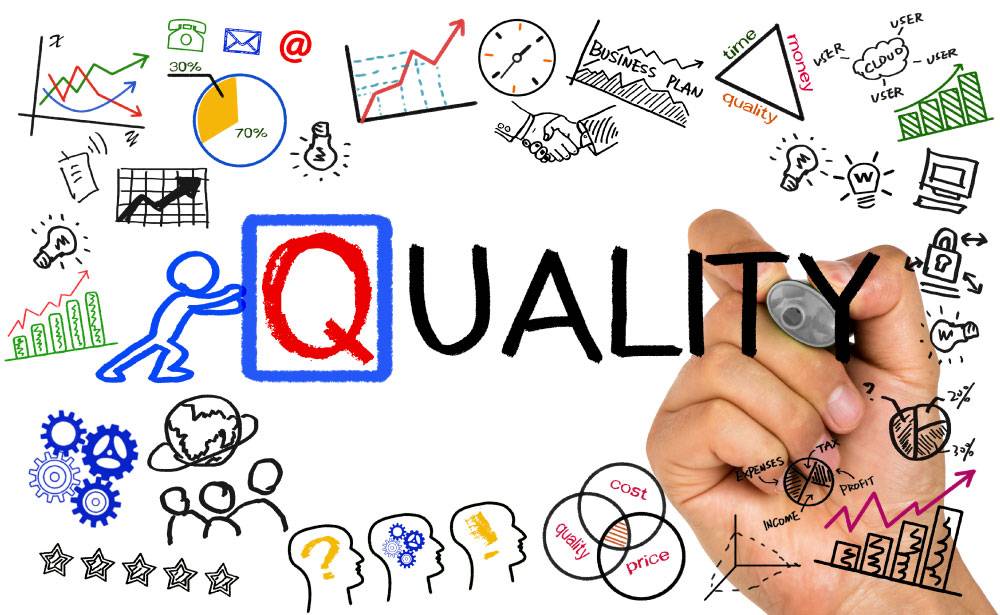
Developing a First-Class QA Process for eLearning
What’s the most rewarding part of developing an online course? If you said the review process—who are we kidding, we know you didn’t.
The quality assurance (QA) phase of developing an online course is one of the most important parts of the process, even if it isn’t the most fun. But it doesn’t have to be painful, either.
Read More »

Learning Technology
Beyond PowerPoint: A Guide to other Visual Teaching Tools
It is no secret that visual teaching tools are important to both audience participation and memory retention. Having visuals makes it all the more likely that the audience will stay engaged and remember the material that you’re teaching them. However, it can be irritating for an audience member to be faced with another white Powerpoint with black text that calls itself a “visual.” Many instructors default to Powerpoint as an easy option for visual communication, but there are a multitude of other options that are more creative and just as simple to use.
Read More »

Learning Technology
The Case for Business-Centric Learning
Even though it’s been on nearly every “top trends” list for Learning and Development in the past two years, business-centric learning isn’t a trend, and we should stop thinking of it that way. Rather, it’s an entirely new framework for thinking about organizational learning – a somewhat radical shift in how we prioritize L&D initiatives in companies.
Read More »

Instructional Design
Principles for Designing in Multimedia Environments
The Handbook for Multimedia Learning is a must-have for instructional designers who work on courses that combine graphic, textual, and video elements – which is almost every course now, online and in-person.
The basic principle behind multimedia learning is that humans learn best from a combination of words and images, rather than words alone. So if your training consists solely of a text-based manual or online course, it’s not as effective as it could be.
Read More »