
Learning Technology
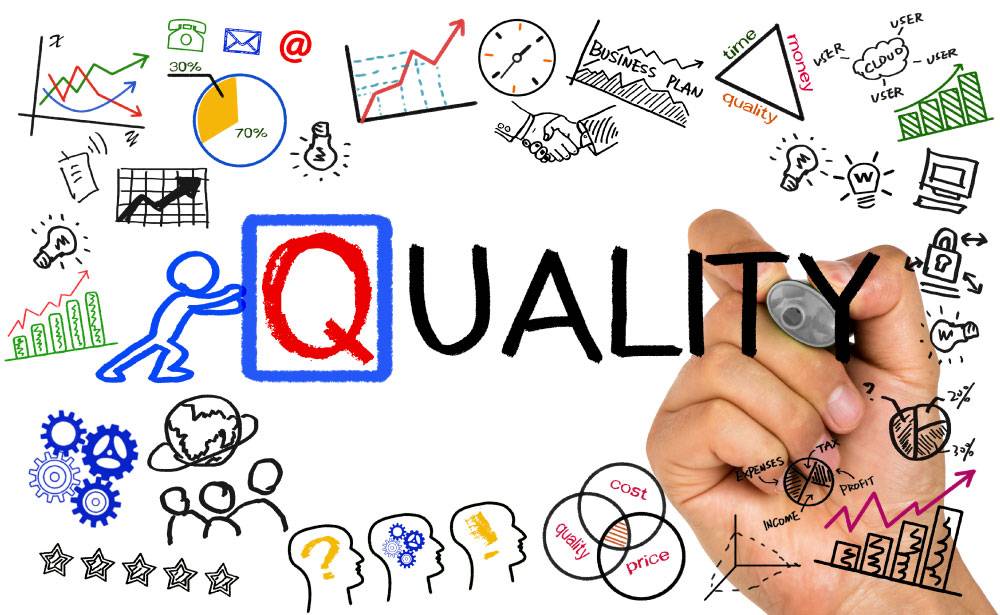
Developing a First-Class QA Process for eLearning
What’s the most rewarding part of developing an online course? If you said the review process—who are we kidding, we know you didn’t.
The quality assurance (QA) phase of developing an online course is one of the most important parts of the process, even if it isn’t the most fun. But it doesn’t have to be painful, either.
Read More »

Career Development
5 Ways to Deal with Stage Fright in the Classroom
If the thought of teaching in a live classroom makes you break out in a sweat, you’re not alone. Plenty of instructors feel anxious about their performance in the classroom and fear the potential symptoms—shaky voice, trembling hands—that might impact their ability to teach effectively.
Read More »

Workplace Issues
7 Tips for Overcoming a Language Barrier in the Workplace
In today’s increasingly diverse society, it is almost guaranteed that there will be some degree of cultural discrepancy in the workplace. These differences can pose problems, especially when it comes to clear, accurate communication with those who don’t speak the same language. Because communication is crucial to the success of an office or workplace, it is important to have some techniques on hand to use when things get a little hard to convey.
Read More »

Instructional Design
Instructional Design Mini-Lesson: Distributed Practice
If you’re struggling to help learners who forget what they learned shortly after a training ends, don’t stress—there might be a way to re-organize your course without having to start over from scratch.
Read More »

Project Management
5 Scenarios When Hiring Consultants Will Improve Your Business
If you’ve never hired an outside consultant, you may question why a business would spend money to outsource help when it can delegate the task to someone inside the company. However, in many circumstances, the most effective solution comes from outside the firm, and a consultant can prove his or herself well worth the investment. An outside consultant can bring a ton of experience and a refreshing new outlook to the equation.
Read More »

Learning Effectiveness
Who Steers the Ship? The Impact of Learner Control on eLearning.
That’s a much more complicated question than it appears. Many say that allowing online learners to influence aspects of the learning process gives them a sense of autonomy that increases motivation and engagement. Learners love having control over the course experience—after all, they are used to the internet, where they are free to wander through sites at their own pace, click on content that interests them, and walk away from the computer when they feel like it. Why take that freedom away from them just because they’re doing an online training?
Read More »